
Imagine having a personal assistant who constantly monitors your solar system's performance. This assistant would automatically adjust settings, like turning off the pool pump when there's insufficient sunlight, to ensure optimal energy production. It would use both current and historical data on solar output and electricity consumption, weather conditions and scheduled power outages to make informed decisions.
To start monitoring your solar system, we'll need to be added as a user to your inverter app, initially this can be with read-only permissions.
Currently we have accessed Goodwe, Kodak, Sunsync and Victronenergy inverters. If you have a different brand, we should be able to access it, as long as there is a web app.
Main Data Table:
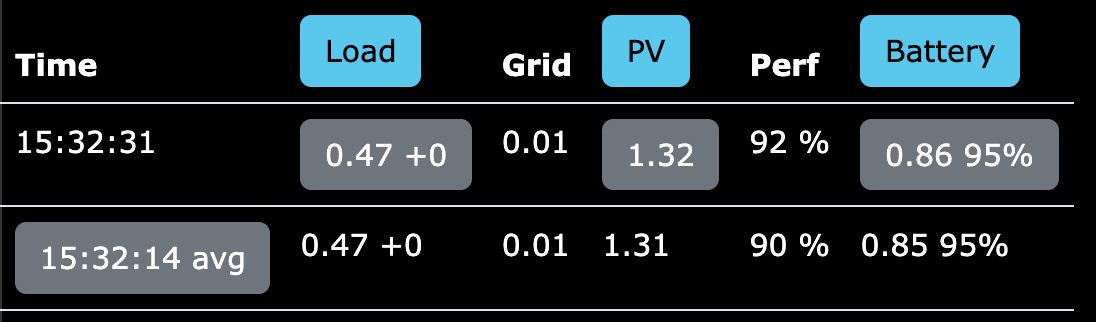
- Load, Grid, PV (Photovoltaic = Solar Panel Production) and Battery: Measured in kilowatts (kW). Battery level is indicated as a percentage.
- Load (+): Indicates the potential additional loads from smart switches controlling devices like pumps, heaters and geysers.
- Performance: Compares current PV output to the maximum PV output recorded at the same hour and minute over the past 10 days. Values below 70% under optimal conditions (no clouds, battery not full) may indicate a system issue.
- Last Line: Represents the average value when multiple readings are available within a minute.
Data Frequency:
- Direct Inverter Access: Readings typically every few seconds.
- Most Inverters web apps: Readings usually every 5 minutes.
- Victron Energy Inverters: Provide data every minute.
With this data, we can optimize the system to prioritize your cost savings. To reduce electricity bills, we can avoid charging the batteries from the grid when there's insufficient solar power. This means we won't need to fully charge the batteries every day.
There are exceptions during scheduled power cuts. In such instances it is wise to charge batteries as a backup power source in the event that power supply is delayed.
It's important to note that even with high-efficiency Lithium-Ion batteries, around 20% of the energy input can be lost during charging and discharging processes. This means that if you charge your batteries with 10kW from the grid, you'll typically receive about 8kW back as usable AC power.
Furthermore, we can enhance efficiency by discharging the batteries in the evening when there's sufficient stored energy to cover your needs until morning.
Smart Home
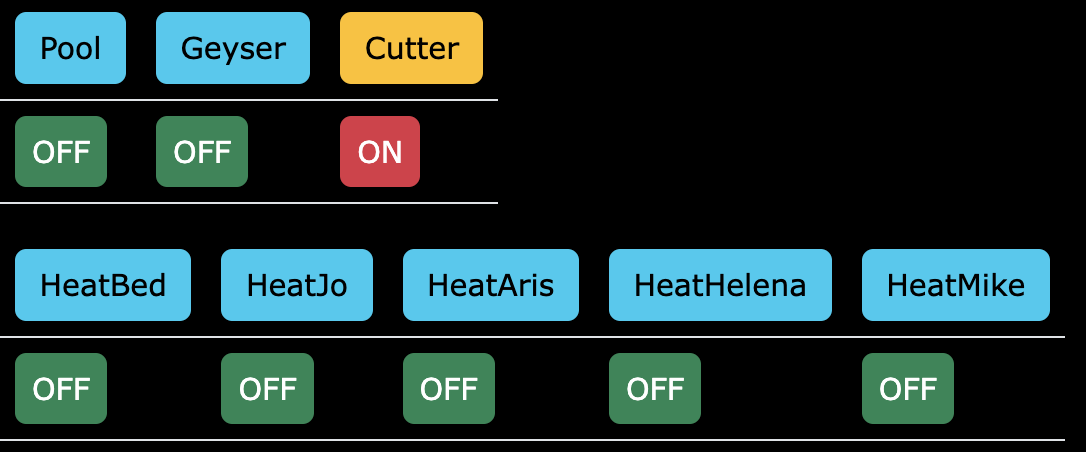
To maximize our solar system's potential, we should consider using smart switches for appliances that can operate flexibly. A great example is the pool pump. On cloudy days when solar power is limited, the pump can be turned off to avoid grid electricity consumption.
Similarly, during winter, we can prioritize using excess solar power for heating systems to enhance home comfort while minimizing grid reliance.